Specialty
Critical Care
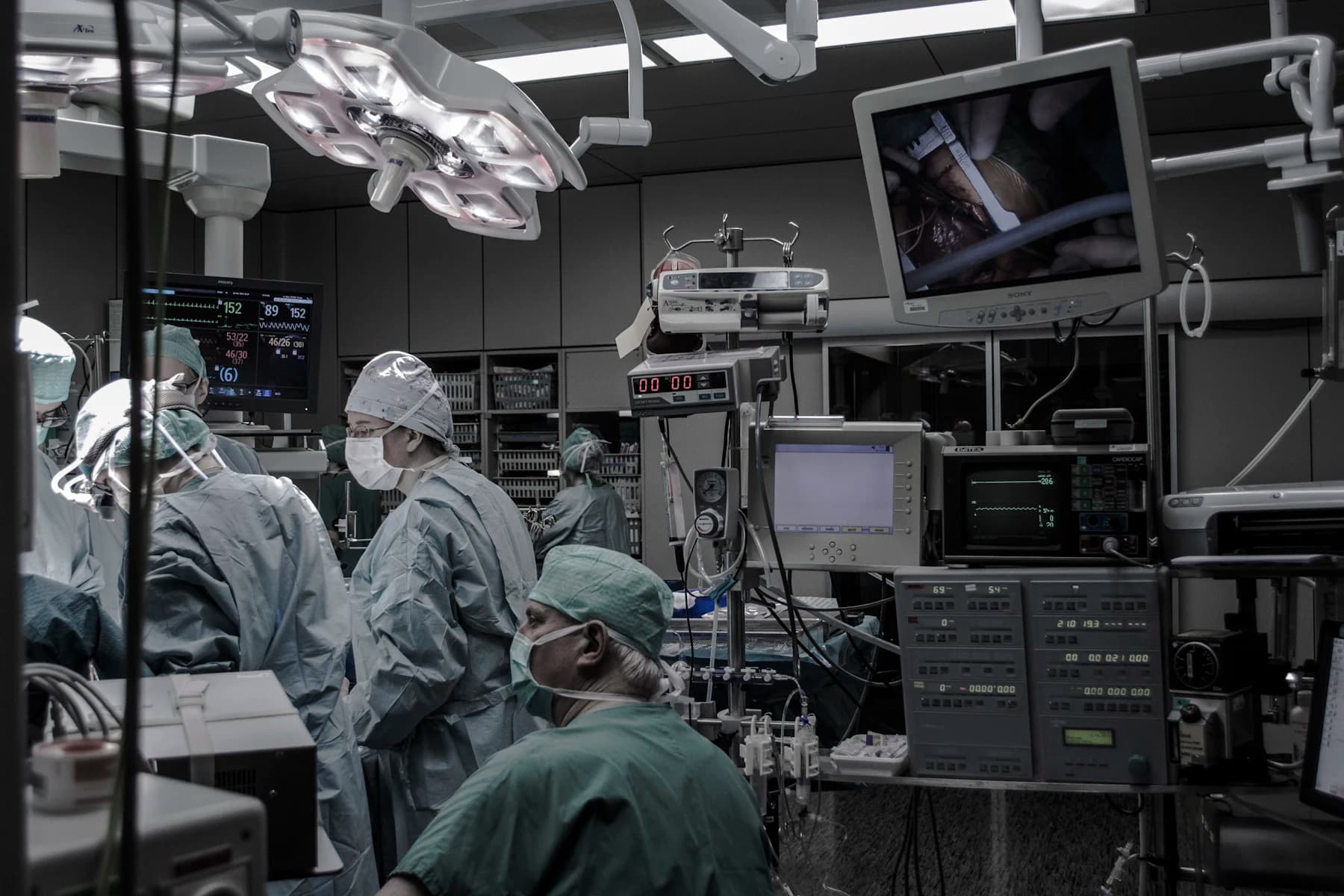
An intensive care bed produces more data an hour than any other bed in the building and leaves less record than a general ward. The flowsheet is paper, the pumps and the ventilator keep their own numbers, and the bill is assembled afterwards from what is left on the trolley.
Impact and action
The flowsheet is the record, and the flowsheet is paper
- Hourly observations, intake, output, infusions and ventilator settings are written across a sheet the width of a desk, and it is the only version that exists.Glyph builds the flowsheet as a form with its own validations and calculators, locks each completed section, and keeps the version history that shows which design was in use on the day.GlyphAtlas
The machines keep their own numbers
- Monitors, ventilators and infusion pumps each hold a stream nobody outside the bed space can read, and the transcription rate is one nurse an hour.The orophin bridge carries device output into the record over one outbound connection, and Westron owns the connection, the translation and the trail of every exchange.WestronAtlas
Severity scoring is arithmetic done by hand
- Organ-support and severity scores are calculated on a scrap of paper at the end of a shift, from numbers already written down twice.Glyph calculates the score inside the form as it is filled, and Sentinel raises the rule the unit itself wrote, escalating it up a named chain until somebody answers.GlyphSentinel
Consumables burn faster than anyone can write them down
- Filters, circuits, catheters and high-value drugs are used at a rate the charge sheet cannot follow, and the difference is found at discharge or never.Forge places each item as an order at the point of use and Vault raises the charge from that same object, so the bill and the stock movement are one event.ForgeVault
The family is told whatever the person at the door remembers
- One update a day is given through a door by whoever is nearest it, and the next of kin who could consent is often the one told least.Raven sends the update on the channel the family consented to, from a template the hospital approved, and keeps the delivery log; Cirith decides who may open the record behind it.Raven
Why it lands here first
An intensive care unit is the smallest place where every problem the hospital has is visible at once.
Devices
More machines per bed than anywhere else, each with its own format, and a record that reaches them only through a person.
Cost
The highest cost per bed-day in the hospital, and the widest gap between what was used and what was billed.
Evidence
The unit an assessor looks at first, and the one whose evidence is most often assembled from memory.