Specialty
General / Internal Medicine
General medicine carries more patients than any other specialty in an Indian hospital and gets the least specific software. The round is written on a sheet, the discharge summary is typed days later, and the claim waits on it.
The ward is where the hospital’s memory is thinnest
A patient with diabetes, hypertension and two earlier admissions arrives at the counter, and the team rebuilds a decade of history from a bag of prescriptions and folded discharge cards. The problem list is assembled from scratch at every visit, by the most junior person present, and it survives until discharge.
Everything downstream inherits that. Orders are placed against a history retyped this morning, the round is noted on a sheet that leaves with the file, and the discharge summary the insurer is waiting for is written from a chart nobody else can read.
On the ward
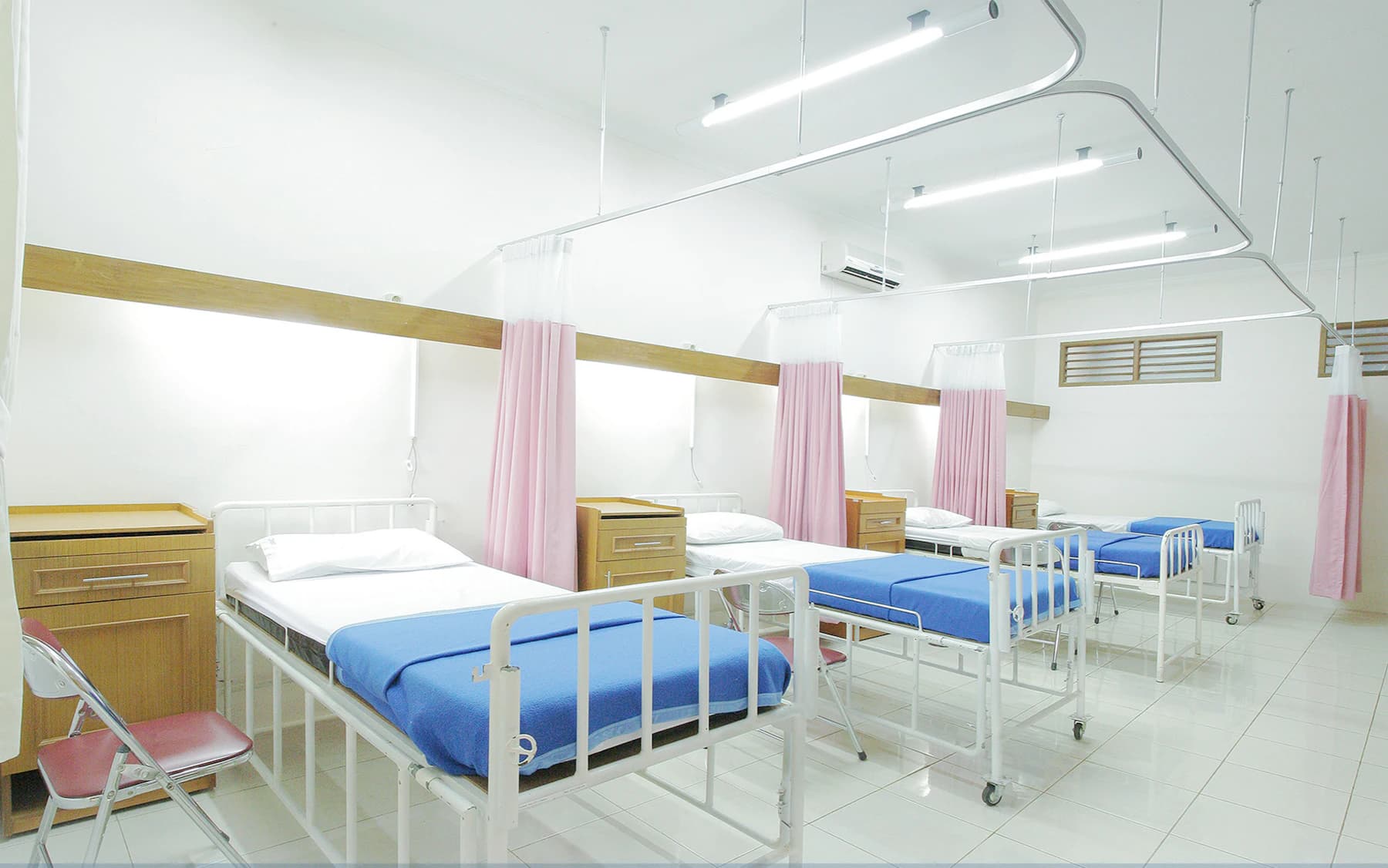
Ten beds, one nurse, one sheet.
Impact and action
The history is rebuilt at every admission
- Diagnoses, allergies, past admissions and current medicines are collected again on arrival, because the previous version left with the previous file.Atlas holds the diagnoses, notes, attachments and completed forms as one longitudinal record, and it is the only place a patient’s health information lives, so every other tool asks it rather than keeping a copy.Atlas
The round leaves no trace the hospital can use
- The morning round produces a line per patient on a sheet, and that sheet is the only record of what was decided and by whom.Glyph captures the round as a form that auto-fills what the record already knows and locks on completion, so the note carries its author, its time and its department without anyone typing them.GlyphAtlas
Deterioration is found by a nurse who happened to look
- Early warning scores are arithmetic done between other work, on the busiest ward in the hospital, and a rising score stays on paper until somebody carries it.Glyph calculates the score inside the observation form as it is filled, and Sentinel raises the rule the hospital wrote and escalates it up a named chain until it is acknowledged.GlyphSentinel
The discharge summary is the gate on the money
- Medical records chases a summary for days after the patient has gone home, and the payer’s clock runs from the day it is finally typed.Atlas tracks the discharge from the decision to the last signature, and Vault holds or clears it against the bill, so the summary is a step in a process rather than a favour asked afterwards.AtlasVault
Chronic follow-up ends at the hospital gate
- A three-month review is written on the discharge card and remembered by the patient, which is where most chronic disease programmes in India actually end.Quest schedules the review as a due task against the patient and Raven sends it on a consented channel from an approved template, with a delivery log the hospital can read.QuestRaven
A general ward is where deterioration is missed, and where it is cheapest to catch.
The patient who arrests at three in the morning was abnormal for hours before it.
Early warning has been studied for two decades and the finding is stable: the score is the easy half and the response is the intervention. A number written on a chart that belongs to nobody changes nothing about the night.
Eliminate the observation chart that is scored by hand and read by whoever happens to pass it. Sentinel holds the rule for when a warning fires, sends it to a named owner, escalates it up a chain when it goes unacknowledged, and keeps the record of how long that took.
What an Indian ward adds
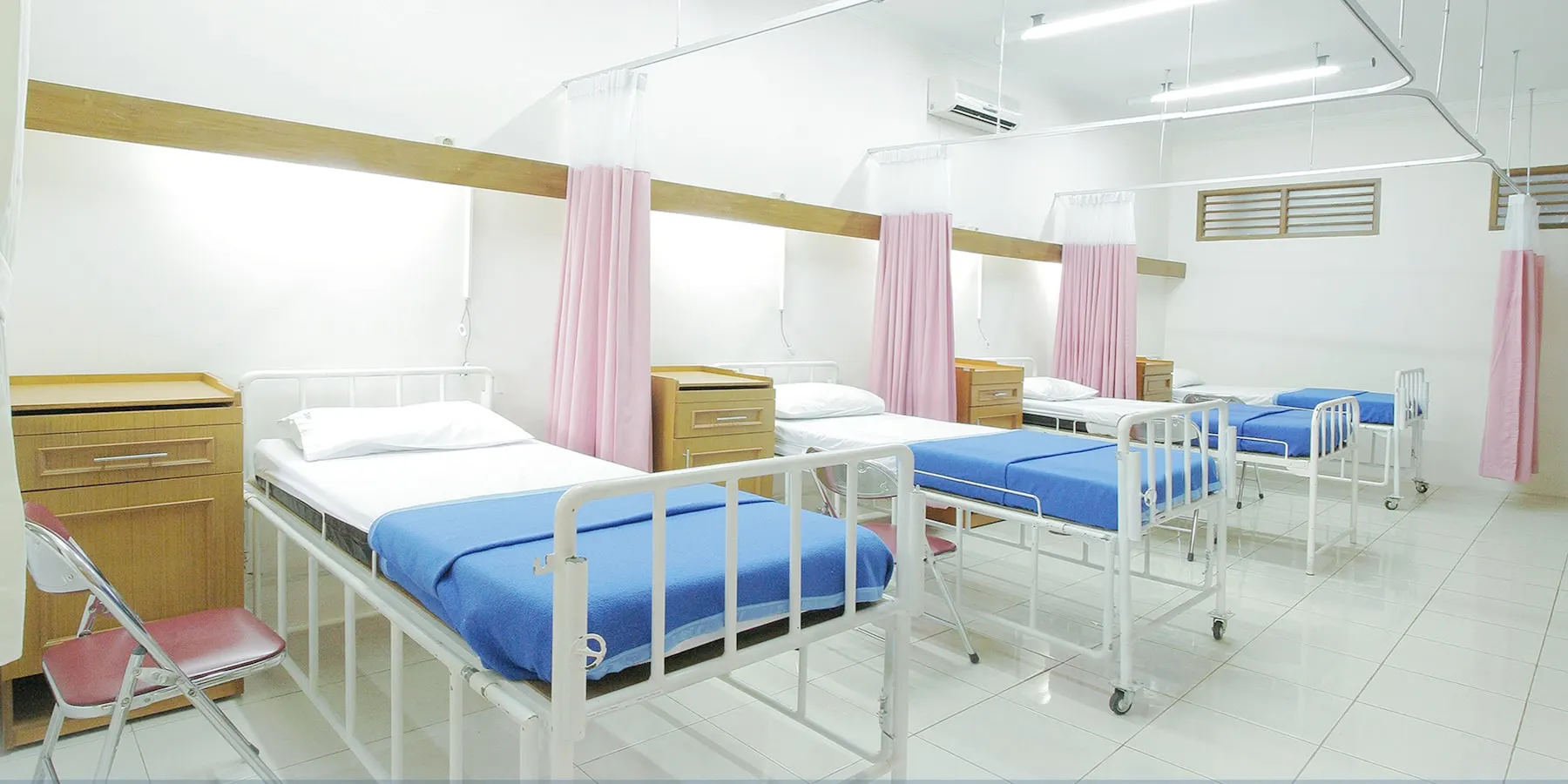
The scarce resource is the nurse.
- Every minute of documentation is taken from the same person the ward depends on for its observations.The form belongs to the hospital, carries its own validation and its own calculators, is filled once, and locks when it is finished.Glyph
- Due drugs are tracked on a paper medication chart carried from bed to bed.Each ordered dose becomes a task with a due time, marked given, missed or skipped, on the personal list of whoever is actually rostered.Quest
The bill runs while the patient is still in the bed.
- A family asks what the stay has cost so far, and the answer is assembled by hand at the counter from three books.A charge lands on the account as its chargeable order is placed, so the estimate, the interim bill and the final bill are one running total.Vault
The discharge summary is the gate on the money.
- A summary written days after the patient leaves holds the claim behind it, and the claim is where the hospital gets paid.Discharge runs as a tracked process on the record that already holds the admission, the problem list and every round.AtlasCadence
- Follow up rests on a patient remembering a date given verbally at the door.The review stands as a due task against an owner, and the reminder goes out on a channel the patient consented to, with a delivery log.QuestRaven
Published research
What the literature measured, and who measured it.
None of the studies below was conducted on a hospital running Pensieve, and none of them is evidence about this software. They describe the problem the mechanism above is aimed at.
- Across 19 hospitals running an automated deterioration alert with a defined clinical response, patients who reached the alert threshold had lower mortality within 30 days than comparable patients before deployment, at an adjusted relative risk of 0.84.Escobar GJ, Liu VX, Schuler A, et al. Automated Identification of Adults at Risk for In-Hospital Clinical Deterioration. New England Journal of Medicine, 2020;383(20):1951-1960.
- Across 300 hospitals in nine European countries, each additional patient added to a nurse’s workload was associated with a 7 percent increase in the odds of an inpatient dying within thirty days of admission.Aiken LH, Sloane DM, Bruyneel L, et al. Nurse staffing and education and hospital mortality in nine European countries: a retrospective observational study. The Lancet, 2014;383(9931):1824-1830.
- After nine hospitals put the handover between clinical teams into one structured form, medical errors fell 23 percent and preventable adverse events fell 30 percent across 10,740 admissions.Starmer AJ, Spector ND, Srivastava R, et al. Changes in Medical Errors after Implementation of a Handoff Program. New England Journal of Medicine, 2014;371(19):1803-1812.
- Across 73 studies, direct communication between hospital and primary care physicians occurred in 3 to 20 percent of cases, and a discharge summary was available at the first follow-up visit 12 to 34 percent of the time.Kripalani S, LeFevre F, Phillips CO, et al. Deficits in Communication and Information Transfer Between Hospital-Based and Primary Care Physicians. JAMA, 2007;297(8):831-841.