Department
Day Care
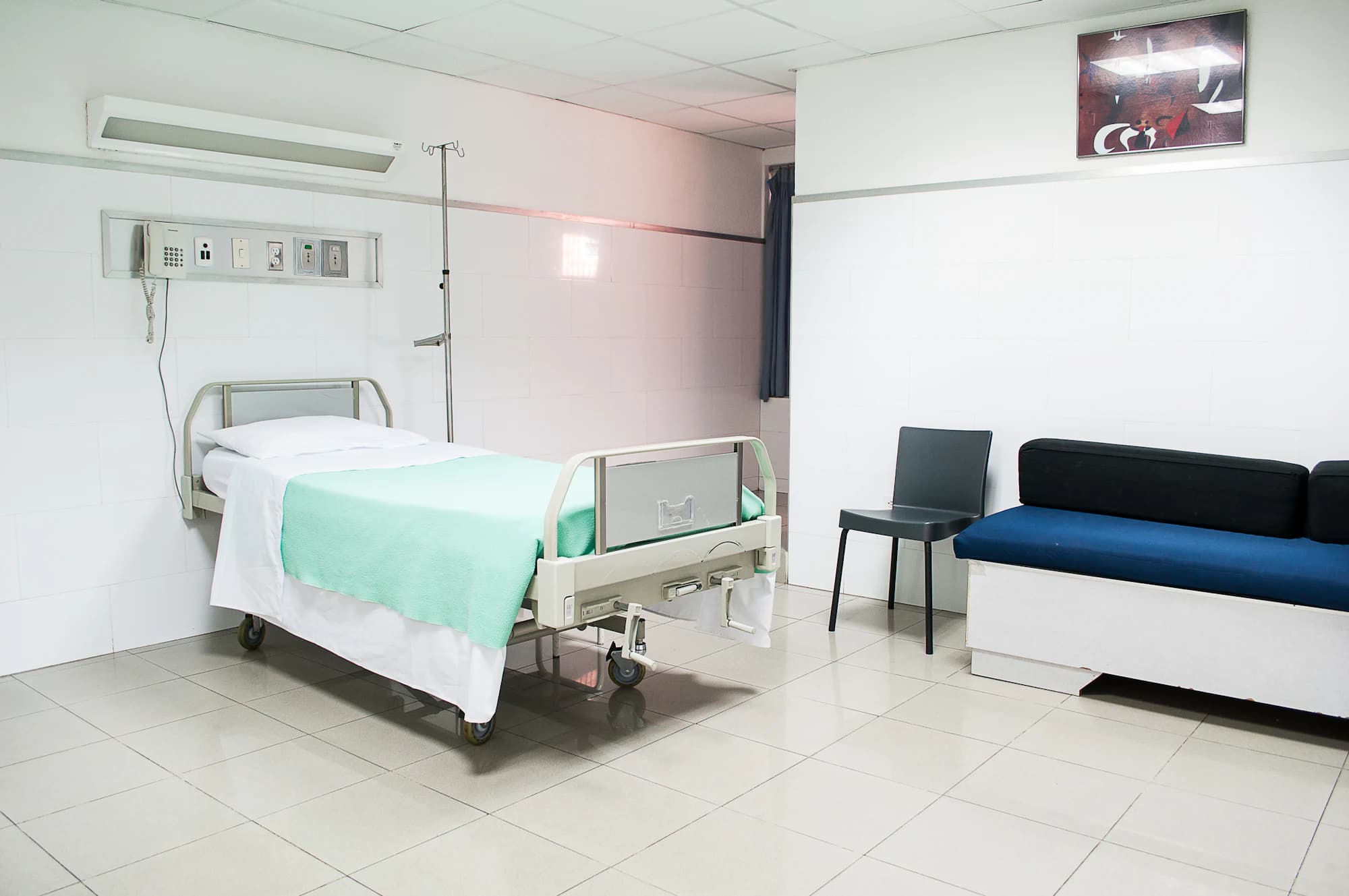
Day care is where India does its highest volumes. Cataract surgery alone is the largest single surgical programme the country runs, and it is repeated thousands of times a week in rooms where the whole episode is over in an afternoon.
Impact and action
A booking in a book.
- Day-care slots are written in a diary, so the list for tomorrow exists in one handwriting and the utilisation of the room is unknown.The short-stay lifecycle runs without a full admission: booked, arrived, in procedure, recovered, discharged, as states of one visit.Gate
- A cancellation frees a slot that nobody fills because nobody sees it.The list is a live view, and utilisation is read from the same record the bookings live on.Falcon
Consumables at volume.
- A high-volume procedure uses the same set of consumables every time, so the ones that go unrecorded go unrecorded every time.The order set carries the consumables, and fulfilling it posts the charge and draws down the stock together.ForgeVault
- An implant used in a day-care procedure is traced afterwards by asking the surgeon.The item is linked to the case that used it, so traceability is a property of the order.Forge
The summary nobody wrote.
- The patient goes home with a prescription and no record of what was done, so the follow-up starts from the patient’s memory.A real summary is assembled from structured data on the record, and the follow-up appointment is booked before the patient leaves.AtlasGate
- Post-procedure instructions are given verbally at the door.Instructions and reminders go out on approved templates over an audited channel, with a delivery log.Raven
The published record
The scale this room works at.
India performed 8,344,824 cataract operations in 2022-23, against a national target of 7,500,000. Source 8 That is one procedure, and it is largely day care. At those volumes a single unrecorded consumable is a structural loss rather than an incident.
And the safety practice that scaled with it.
At eight hospitals across eight countries, one of them in India, deaths fell from 1.5 percent to 0.8 percent and inpatient complications from 11.0 percent to 7.0 percent after the surgical team began briefing off one checklist. Source 6 A checklist signed per case is evidence as well as practice.
The tools this unit runs on.
Each row is what the tool does in a day-care unit, with the example the unit manager would recognise.
| Tool | What it does here | Example |
|---|---|---|
| Gate | Runs the short-stay lifecycle and the booking list. | Twenty cases move through four states on one live list. |
| Forge | Carries the procedure order set, the consumables and the implant. | One order set covers a routine case and posts everything it used. |
| Glyph | Runs the consent and the safety checklist, locked once signed. | A surgical safety checklist signed per case, unalterable afterwards. |
| Vault | Prices the case against the payer attached at booking. | A scheme package and a cash case are priced from one charge master. |
| Atlas | Holds the record and assembles the summary the patient leaves with. | A discharge summary produced from what was recorded, without retyping. |
| Raven | Sends the follow-up reminder on an approved template. | A review appointment reminder with a delivery status on the record. |
Interdepartmental
A short stay still touches five rooms.
- The theatre.A day-care list and a theatre list are two views of the same scheduled resource.
- Sterile services.Instrument sets are linked to the case that used them, which is where an infection review starts.
- The pharmacy and stores.Pensieve integrates with the inventory system a hospital already runs. Where there is none, the app is built in [Durin](/tools/durin), either by hospital staff with no code and no vendor ticket, or by a Pensieve forward-deployed engineer who builds it for the hospital and hands it over. Anything built that way sits on the same permissions and the same audit trail as the rest of the platform.
- Billing.The package rate, the consumables and the payer meet on one bill.