Department
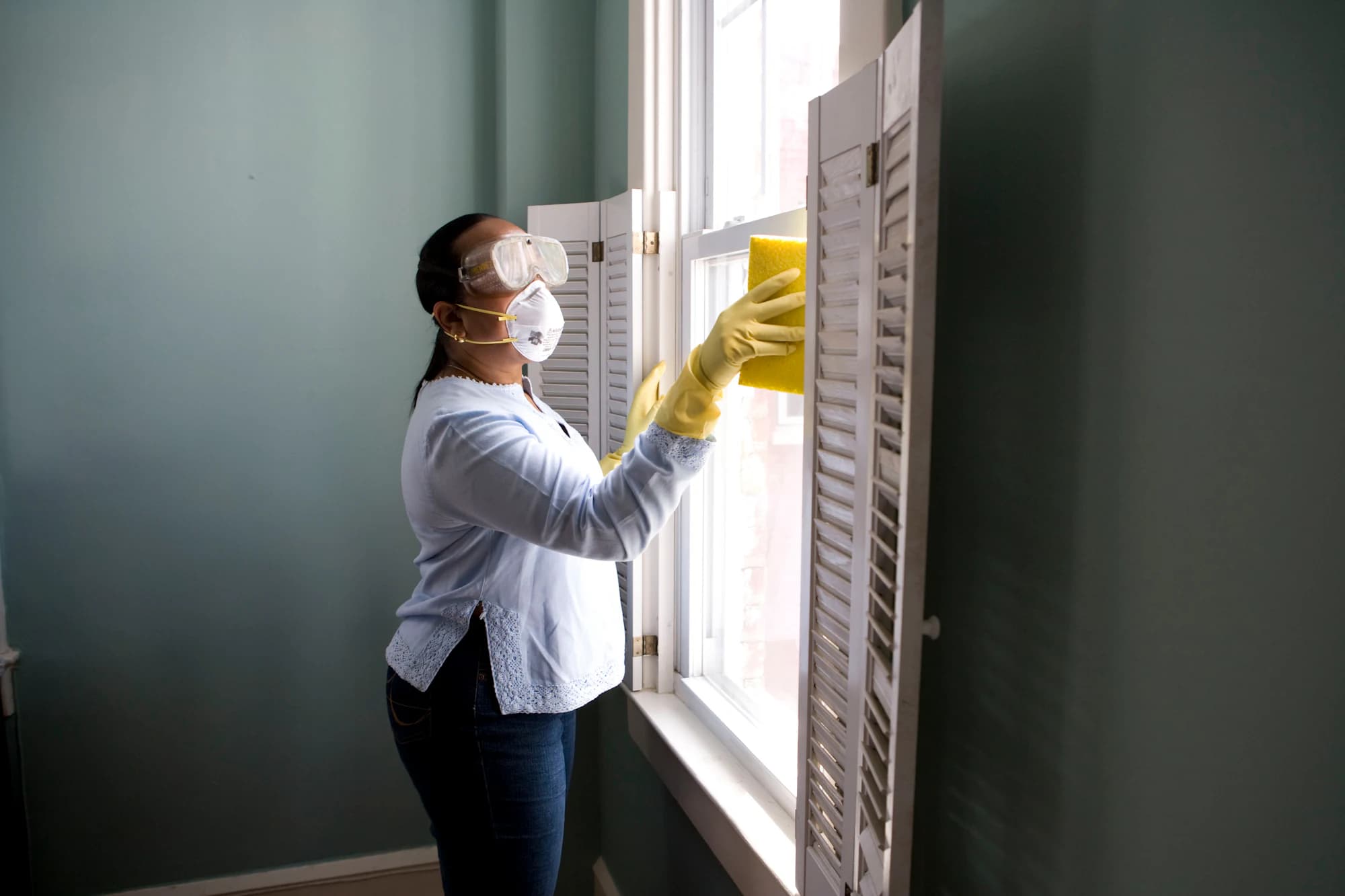
Housekeeping / Facilities
Housekeeping is the department that decides how many beds the hospital actually has, and it is usually the one with no system at all. A room is ready when somebody says it is ready, and admissions finds out by walking up to the ward.
Impact and action
The bed is free two hours before anyone knows.
- A patient is discharged at eleven. Housekeeping is told at twelve, cleans at one, and admissions is told at two, by telephone.Discharge releases the bed into a turnaround run in Cadence, and the bed-ready state feeds the board Gate reads from, so the fact and the announcement are the same event.CadenceGate
- The turnaround itself is unmeasured, so a delay is attributed to housekeeping without evidence either way.Falcon reports turnaround time by ward and by shift off the run itself, which is what lets the department defend its own performance.Falcon
Cleaning is asserted rather than recorded.
- Terminal cleaning after an isolation case is signed on a sheet at the door, and nobody can say afterwards which surfaces were covered.Cadence runs the checklist with a visible step, an owner and an overdue flag, and Glyph captures the completion as a locked, versioned record.CadenceGlyph
- An infection control audit asks for cleaning evidence and receives a folder of signatures.Vigil reads the same runs as accreditation and infection control evidence, so the audit is a query rather than a collection exercise.Vigil
A hazard is reported by shouting.
- A spill, a failed light in a corridor or a blocked fire exit is reported verbally, acted on by whoever heard it, and never logged.Vigil holds the incident from report through investigation to resolution, and Cadence runs the corrective work with a step and an owner.VigilCadence
- A maintenance request to the engineering team is a phone call, so nothing has a due time and nothing has a queue.The request is a tracked run with a state, so both departments are looking at one list rather than two memories.CadenceSentinel
The tools this department lives in.
Read top to bottom. Each tag is a tool inside Pensieve, and the line beside it is what that tool does in housekeeping and facilities specifically.
| Tool | What it does in this department |
|---|---|
| Cadence | Turnaround, terminal cleaning, routine rounds and maintenance requests as tracked runs with an overdue flag. |
| Gate | The bed board the department feeds, and the discharge that starts a turnaround. |
| Glyph | Cleaning checklists, terminal cleaning records and facility inspection forms, locked on completion. |
| Vigil | Incidents, hazards and complaints from report to resolution, plus the facility management evidence file. |
| Quest | Scheduled rounds, periodic deep cleans and waste collections as due tasks against the shift roster. |
| Sentinel | An overdue turnaround, an unresolved hazard or an escalating maintenance request as an owned alert. |
| Raven | Notifying the ward, admissions or the engineering team on an audited channel with a delivery log. |
| Falcon | Turnaround time by ward and shift, checklist completion rate, and where beds are being lost to delay. |
Turnaround
Discharge to the next admission.
Release
The discharge is completed on the record. The bed leaves the occupied state and enters turnaround, and the run starts without anybody making a call.
Assignment
The task lands with whoever is on that shift for that ward, because the roster is part of the same structure the bed is.
The checklist
The clean runs to its own checklist, and an isolation bed runs to a longer one. Each step is visible, and an overdue step is flagged while it can still be fixed.
Ready
Completion moves the bed to ready. Admissions reads that state directly, so the bed is offered at the moment it becomes offerable.
Nothing above adds work. It replaces four telephone calls with one state change that everybody can see.
Published research
What the literature already measured.
Findings about cleaning and infection, each with its study and a link. None of it is a Pensieve result.
- Across 23 acute care hospitals, 48 percent of the surfaces designated for cleaning between patients had in fact been cleaned.Carling PC, Parry MF, Von Beheren SM, et al. Infection Control and Hospital Epidemiology, 2008. Feeding the measurement back to the teams improved it.
- A systematic review found health care associated infection affecting 15.5 patients per 100 admitted in developing countries, against 7.6 per 100 in Europe.Allegranzi B, Bagheri Nejad S, Combescure C, et al. The Lancet, 2011.
- A systematic review associated emergency department crowding with higher inpatient mortality and more patients leaving before being seen.Bernstein SL, Aronsky D, Duseja R, et al. Academic Emergency Medicine, 2009. Crowding downstream begins with a bed that is ready and unannounced.
Waste and safety
The registers a facilities department carries.
Housekeeping holds two statutory files that an assessor always asks for, and both are records of routine work rather than of anything unusual.
- Biomedical waste segregation, storage, handover to the operator and the annual return. Each collection is a tracked run with a named person, a time and a category, so the return is compiled from what happened rather than estimated.
- Facility management and safety: fire drills, exit inspections, water testing, pest control and the corrective action that followed each one. Vigil keeps these as live evidence against the standard.
- Where the department is an outsourced contract, the contractor's staff are people in the hospital's own structure with their own roles and permissions, so the record still names the individual who did the work.
Read the evidence model and the compliance file.
Stop asking a ward whether a bed is ready. A hospital should know how many beds it has, continuously, because the department that makes them ready is recording the fact as it happens.